Understanding Hindu Funeral Rites in the UK

Hinduism is followed by nearly a billion people around the world. It comes from India and believes in the soul living many lives. In the UK, Hindus follow special funeral rites to help the soul move on. These rites show us about the Hindu community's culture and beliefs in the UK. They mix old traditions and ceremonies that help the soul's journey continue.

Key Takeaways

Overview of Hindu Funeral Rites

The practice of Hindu death rituals UK is deep. It shows that the soul moves beyond death for reincarnation. The 'Antyeshti' customs purify the body. They get the soul ready for its next life.

Hindu death rituals UK

Significance of Rigorous Rituals

In a Hindu funeral service UK, every ritual is meaningful. Cleaning the body with ghee, honey, milk, and yogurt purifies it. It also shows respect for the one who has passed.

Sacred chants, led by a priest or the eldest son, guide the soul. This helps it move toward the afterlife. The last rite is cremation. It symbolises the soul's release from this world.

Key Terminology in Hindu Funerals

Knowing the terms helps understand Hindu death rituals UK better. 'Mukhagni' is the act of lighting the funeral pyre. It's usually done by the eldest son as a final goodbye.

'Pinda', or rice balls, are offered during the rites. They help the soul on its next journey. Learning these terms makes the rituals more meaningful and respectful.

The Role of Family in Funeral Rituals

In Hindu mourning rituals in the UK, family plays a big role. They help each other feel better and share the sadness. Everyone works together to honour the person who has died.

Immediate Family Responsibilities

The eldest son and close family have important jobs during these times. They take care of the body and do special ceremonies. For example, they clean the body, dress it in new clothes, and put flowers on it. They also say prayers to remember the person's spirit. The eldest son is very important. He starts the funeral fire and makes sure everything is done right.

Extended Family Participation

Other family members also help a lot. They give comfort and pray together to help the spirit on its journey. Groups like Hindu bereavement support UK are based on these actions. This way, no one feels alone when they are sad. It shows how important a big family support network is.

Hindu bereavement support UK

Role Responsibilities
Eldest Son Leads rituals, lights funeral pyre
Immediate Family Prepares the body, performs key rituals
Extended Family Supports emotionally, participates in prayers

Cremation Practices Among Hindus

Cremation is very important in Hindu funerals. It helps the soul start its journey to reincarnation. In the UK, Hindus follow local laws but keep their rituals special.

Hindu cremation UK

Importance of Cremation

Cremation is not just about saying goodbye to the body. It's a holy ceremony. It helps the soul move forward in its spiritual path.

Burning the body cleanses and frees the soul. This helps it move towards moksha. Moksha means breaking free from being born again and again.

Common Locations for Cremation in the UK

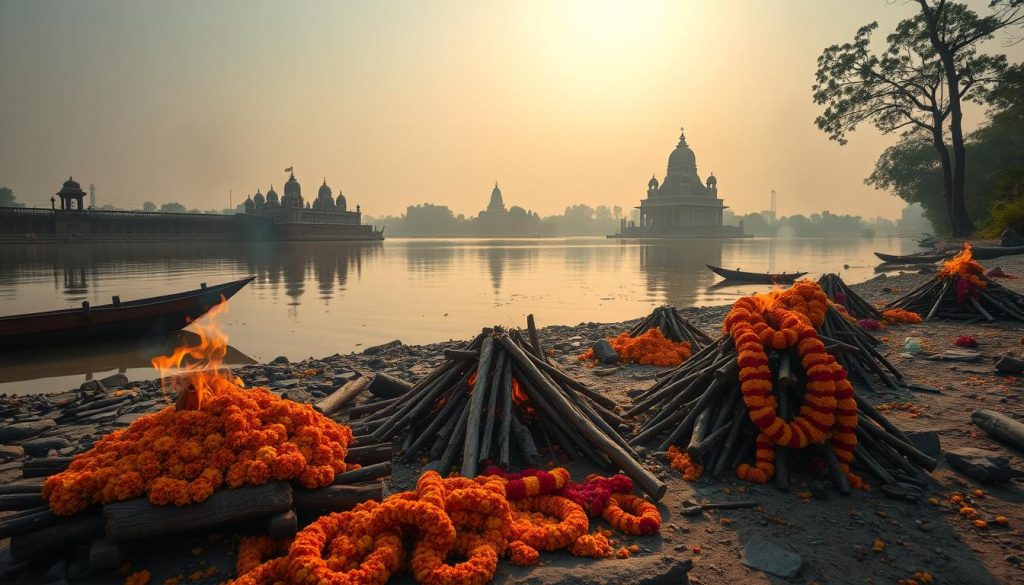
In India, cremations happen by the Ganges. But in the UK, things are different. Here, Hindus use special cremation places that respect their traditions.

Then, they scatter the ashes in sacred or approved places. This way, they follow UK laws but keep their traditions alive.

Rituals Leading Up to the Funeral

The journey to the final goodbye involves sacred steps. These steps show deep respect and support for the family. They are full of spiritual and emotional care.

Preparation of the Body

Getting the body ready is key in Hindu funerals in the UK. It's carefully washed with holy water, milk, and honey. This makes the soul pure and peaceful. The clothes reflect if the person was married or single.

Hindu death rituals UK

Puja Ceremonies

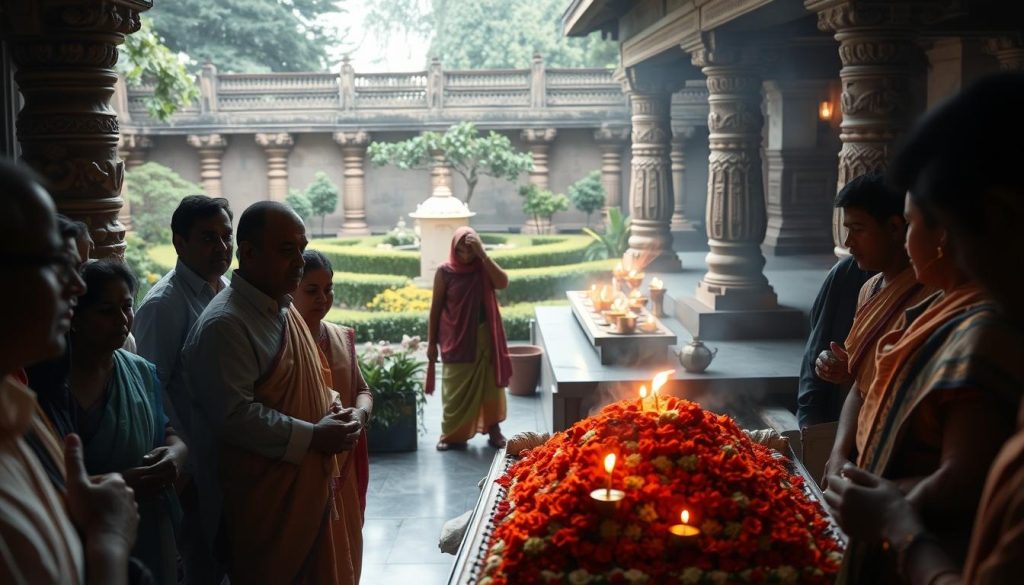
After getting the body ready, Puja ceremonies are very important. They include hymns and prayers for the soul's peaceful afterlife. Flowers, fruits, and lighting lamps are part of it.

These steps are full of meaning in Hindu funerals in the UK. They help families say goodbye with honour and dignity.

The Main Funeral Service

The Hindu funeral service UK is special, aimed at respecting the dead. It starts at home or a prayer hall, with family and friends doing key rituals.

Conducting the Ceremony

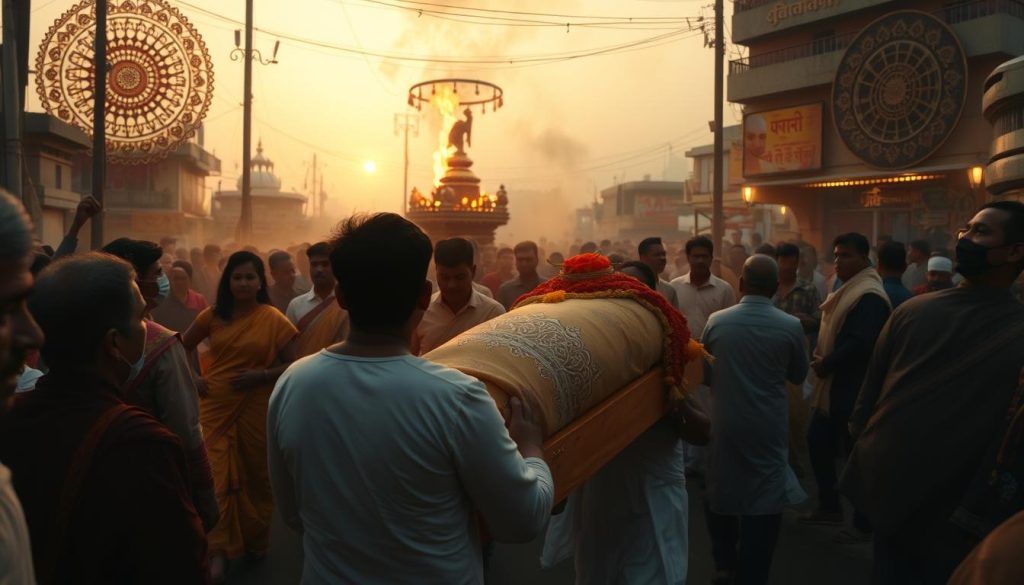
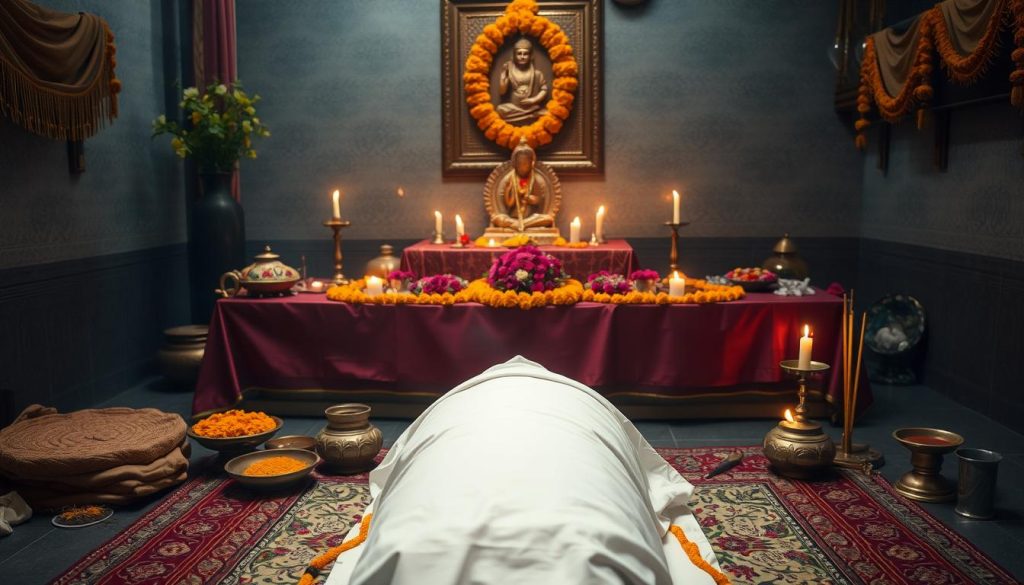
The ceremony sees the body made pure at home. It is anointed and dressed in white, with hands and toes positioned to show unity. A lamp is lit and water sprinkled by family for blessings. This early part is touching, showing a deep link to the one who has passed.

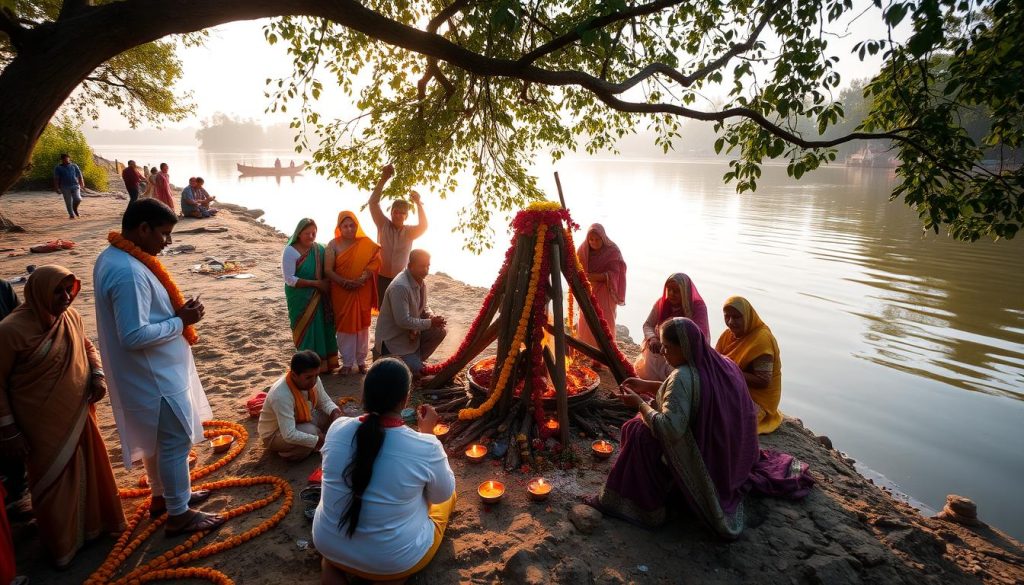
There are prayers and hymns before moving to the cremation place. The eldest son or a close male relative starts the cremation. This shows the family continuing. Nowadays, electric crematoriums are common in the UK, fitting both tradition and modern ways.

Hindu funeral practices UK

Roles of the Priest

A priest is crucial in the Hindu funeral service UK. They recite holy words and lead the family through rituals. This ensures everything is done right, reflecting the ceremony's spiritual depth. The priest's advice helps in understanding and respect for the deceased's next journey.

Knowing about these traditions is very helpful. For more help on planning a Hindu funeral in the UK, visit this resource. It gives a full look into the important steps and rituals, making sure the ceremony is perfectly done.

Post-Funeral Rituals

In Hindu funeral traditions in the UK, post-funeral rituals are very important. They help the soul on its spiritual journey. These rituals show deep respect and keep the memory of the lost one alive.

Antyesti: The Last Rites

The 'Antyesti' means Last Rites in these rituals. It involves sacred ceremonies at the cremation site. The family makes offerings with a priest to help the soul. It is a proper farewell with songs, symbolic gifts, and lighting the funeral pyre. This shows the cycle of life, death, and rebirth.

Shraadh: Honour to Ancestors

After the Last Rites, families do 'Shraadh' ceremonies. It's to honour ancestors on specific lunar dates. They offer food and prayers. Shraadh shows respect and keeps family ties strong. It makes sure ancestors are remembered. This keeps families connected in Hindu funeral traditions in the UK.

Grieving Process in Hindu Culture

The grieving process in Hindu culture is full of deep feelings. It includes a time of mourning. Families do rituals to honour their loved one and find comfort.

Mourning Period

The mourning period can last up to 30 days. During this time, family members do special rituals for peace. Prayers and daily remembering are key activities. They gather to think about and honour the person who died.

Emotional and Spiritual Support

Support is very important after losing someone. In the Hindu bereavement support UK, community and religious leaders offer comfort. This help lets the family deal with their sadness. It also brings people together, showing how connected they are in Hindu communities.

Variations by Region and Community

Hinduism shows its diversity through different funeral customs in the UK. It's crucial to understand these variations to fully appreciate Hindu funeral traditions. These region-specific customs also show how Hinduism adapts to local traditions.

North Indian Customs

In the UK, North Indian Hindus follow detailed funeral rituals. These include the antim sanskar (final rites), guided by ancient texts. Families may recite hymns from sacred texts, creating a spiritual atmosphere.

The mourning period, shraadh, is longer. During this time, families hold ceremonies for the soul's peaceful journey.

South Indian Practices

In contrast, South Indian rituals in the UK are simpler and quicker. The focus is on the family's direct involvement, making ceremonies private and warm. The body is anointed with sandalwood, and close relatives carry out the final rites.

This approach is less elaborate but equally spiritual. It underlines devout worship or bhakti.

Exploring these customs sheds light on Hinduism's flexibility. It merges tradition with modern life elegantly. This journey through Hindu funeral practices in the UK reveals a rich mix of culture and spirituality.

Legal Considerations for Hindu Funerals in the UK

When planning a Hindu funeral in the UK, it's important to follow certain rules. This means knowing which legal steps to take to respect both traditions and UK laws. It helps make the funeral smooth and respectful.

Documentation Required

For Hindu funerals, you need to get the death certificate and certain permits. This paperwork is needed to meet UK cremation rules. It makes sure everything is done right and legally.

Compliance with Local Regulations

Following UK laws on cremation and ash scattering is a must. These laws care for public health and safety and let families follow their traditions. Knowing and following these rules is key to a lawful and respectful ceremony.

Sticking to these rules is not just about following the law. It also shows respect for the deceased's beliefs. It gives families comfort during a hard time. Understanding and acting on these requirements ensures dignity in the funeral process.

Resources for Hindu Funerals in the UK

In the UK, it's vital to have the right support for Hindu funerals. Families face challenges and need to know where to find help. This support is very precious during such times.

Funeral Directors Specialising in Hindu Rites

Many funeral directors in the UK know a lot about Hindu rites. They understand ritual purity and religious customs well. They provide services like traditional ceremonies and help with local laws.

This kind of help reduces stress for grieving families. It also ensures the rituals are done respectfully and truthfully.

Funeral Director Location Services Offered
Asian Funeral Directors London Traditional Hindu rites, cremation services, and body preparation
Om Funeral Services Birmingham Puja ceremonies, transportation, and legal documentation
Shanti Funeral Services Leicester Cremation arrangements, family support, and ritual guidance

Community Support Organisations

Community groups are very important for the Hindu community in the UK. They offer emotional support, help with arrangements, and advice on the funeral process. Their support means families don’t feel alone during hard times. They help keep the funeral true to cultural values.

Some groups also help families find Hindu funeral directors UK who are experts in religious customs. This help brings great relief and confidence to families in mourning. Knowing they have strong community support is comforting.

Conclusion: Respecting Cultural Traditions

Embracing Hindu funeral rituals in the UK shows deep respect for diversity. Understanding these rites shows our empathy. It celebrates the beliefs that make our society diverse. By valuing Hindu practices, we keep traditions alive. This also adds to the UK's cultural richness. It proves harmony comes from diversity.

Importance of Understanding and Compliance

Talking about Hindu funerals in the UK, we must understand and follow their norms. This shows our respect and care for those grieving. Respecting these rituals helps comfort families. It confirms their place in society. This shows a society that cherishes its diverse cultures.

The Role of Awareness in Multicultural Society

Knowing about practices like Hindu funerals is key in a caring community. It brings different cultures together, respecting traditions. This awareness makes the UK close-knit and understanding. It helps protect all cultural traditions in a diverse society.

FAQ

What is the significance of rigorous rituals in Hindu funeral rites in the UK?

In Hindu funerals, known as 'Antyeshti', the rituals are very important. They help free the soul from the physical world. This lets the soul start its next life journey. These rituals keep the Hindu traditions respected and alive.

What are some key terminologies used in Hindu funerals that I should understand?

'Mukhagni' means lighting the funeral pyre. 'Pinda' are rice balls given during the rites. Knowing these words helps understand the rituals. They are important for the soul's journey.

What responsibilities do the immediate family have during Hindu funerals?

The immediate family, mainly the eldest son, organises everything. They get the body ready and do the final rites. This helps the family emotionally and spiritually.

How does extended family participate in Hindu funeral services?

Extended family gives support and joins in prayers to honor the dead. Their help is very important for the family's well-being at this time.

Why is cremation considered important in Hindu funeral customs?

Cremation helps the soul quickly move on for reincarnation. It shows the soul leaving the world behind. This helps it go to the next life.

Where are common locations for Hindu cremations in the UK?

Cremations can't happen on the Ganges here. But certain places and water bodies are used for ashes. This respects UK rules and Hindu beliefs.

What does the preparation of the body involve in Hindu funeral rituals?

The body is washed with holy things and dressed right for their social status. This prepares both the soul and the family for goodbye.

What are Puja ceremonies and their role in Hindu funerals?

Puja ceremonies are for blessings with hymns and prayers. They help get the dead and family ready spiritually for the last rites.

How is the main funeral service conducted in Hindu customs?

The main funeral is time to reflect. A priest says mantras and leads the rituals. This is either done at home or a prayer hall before cremation.

What are the roles of a priest during Hindu funerals?

A priest's role is big. They say specific mantras and give religious advice. This makes sure the rituals are done right for the soul's journey.

What does Antyesti, the last rites, involve?

Antyesti has special rituals at the cremation site. It's very important in Hindu death rituals UK. It helps the soul move on to reincarnation.

What is the significance of Shraadh services?

Shraadh services are to remember ancestors. It strengthens family bonds. This shows the ongoing respect and remembrance in the community.

What is the typical duration of the mourning period in Hindu culture?

Mourning usually lasts up to 30 days. In this time, the family prays and remembers. This shows the community's close connections.

How is emotional and spiritual support provided during Hindu mourning rituals in the UK?

Community and religious leaders give emotional and spiritual help. This helps the family deal with their loss. It shows Hinduism's caring community nature.

How do North Indian funeral customs differ from South Indian practices?

North Indian customs are more complex with a longer mourning. South Indian ones are simpler, focusing on family. This shows Hinduism's diversity in the UK.

What documentation is required for Hindu funerals in the UK?

You need death certificates and permits for rites. This makes sure that Hindu funerals follow UK law and respect.

How do Hindu funerals comply with local regulations in the UK?

Following cremation and ashes spreading rules is important. It shows respect for both Hindu traditions and UK law.

Are there funeral directors in the UK who specialise in Hindu funeral customs?

Yes, some funeral directors in the UK focus on Hindu rites. They respect religious traditions and help plan the funeral.

What role do community support organisations play in Hindu funerals in the UK?

These organisations offer emotional and practical support. They make sure families get the help they need, keeping traditions alive.

Why is it important to respect Hindu funeral rites within the multicultural milieu of the UK?

Respecting rites helps everyone get along in a multicultural place. It makes sure traditions are kept and adds to the UK's rich culture.
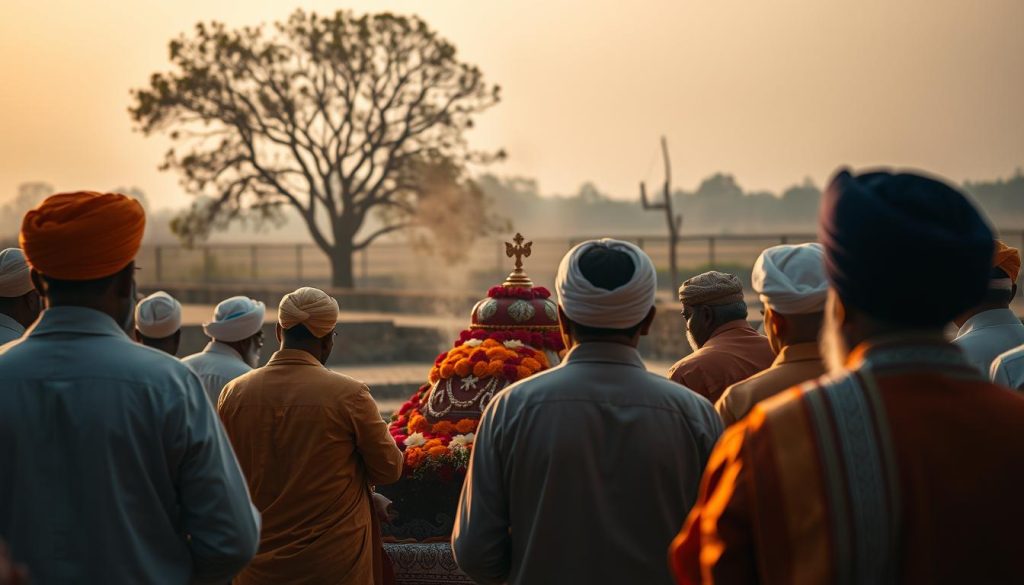
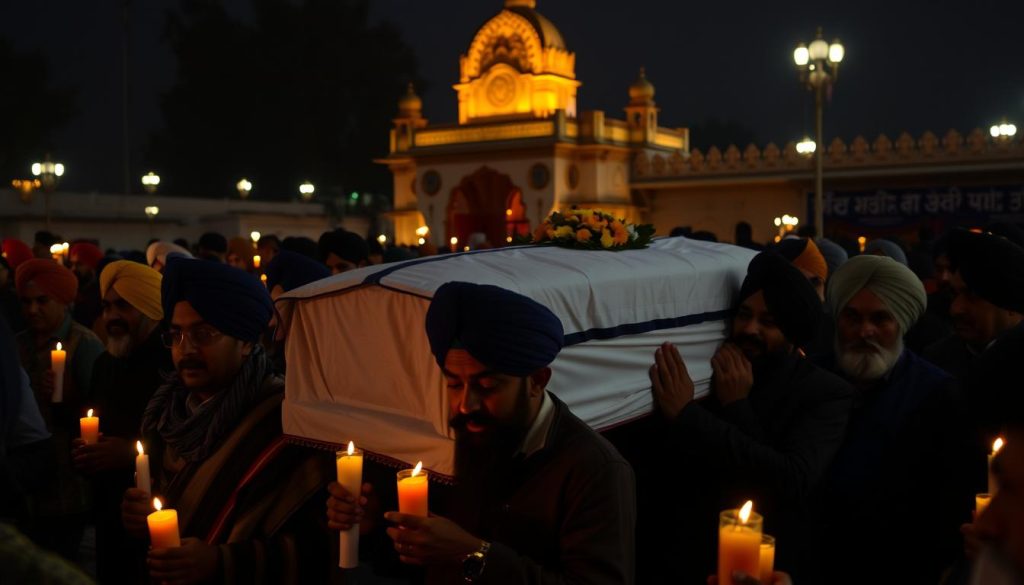
Supporting Grieving Families: A Guide to Hindu and Sikh Funeral Etiquette

Helping families during Hindu and Sikh funerals means knowing their unique customs and faiths. It's vital to respect the departed soul's spiritual journey. This shows love and comfort to families in sad times.

It's really important to understand these traditions. About 85% of families prefer funerals that reflect their life and beliefs. Our guide offers insights into these customs, helping to provide caring support.

Understanding funeral customs can lessen the sadness for families, letting them heal. Also, getting emotional support from funeral experts helps 90% of families feel cared for during loss.

About 75% of funerals have friends and family join to share the sadness. And, 60% of families find comfort in counselling and support groups afterwards. This helps them through the tough times.

Key Takeaways

Introduction to Hindu and Sikh Funeral Traditions

We find rich cultures in Hindu and Sikh funeral customs. They show deep beliefs about life, death, and what comes after. These traditions give us a peek into their spiritual views.

Overview of Cultural Significance

Hindu and Sikh funerals are full of symbols and rituals. They mark a crucial journey for the person who has passed away. In Hinduism, funerals help free the soul from the body. This belief is why over 90% of Hindus choose cremation.

This ritual highlights that our bodies are temporary but the soul's journey is forever. Sikh funerals, too, show beliefs in equality, humility, and life’s temporary nature. Guru Nanak's teachings lead these customs. The Ardas service includes prayers, showing their belief in reincarnation and karma.

respectful behaviour at Hindu and Sikh funerals

Common Practices and Beliefs

Hindu and Sikh funeral customs have both similarities and differences. Hindus perform the Antyeshti Sanskar very quickly after death. This makes respectful behaviour at these funerals very important. Mourning can last from 10 to 30 days, ending with the Kriya ceremony.

Sikhs usually have a shorter mourning time, with funerals within ten days. In both religions, wearing modest, light-coloured clothes is required. White stands for purity and respect. Putting ashes in holy rivers means setting the soul free. It shows their belief in life after death and remembering the divine.

In places like the UK, we should know different mourning times and funeral customs. This ensures respect at Hindu and Sikh funerals. These traditions comfort the bereaved and celebrate lasting spiritual beliefs.

Sikh Funeral Rituals and Customs

Sikh funerals show deep respect for the dead and their community. They include customs to honour the soul. They also support the grieving family with prayers and activities. Knowing these customs helps one participate with respect.

Preparation and Washing of the Body

The first step involves washing and preparing the body, called 'Ishnan'. It's a way to cleanse and ready the deceased for their final journey. The body is then dressed in clean clothes. It's adorned with five articles of faith, known as 'kakars'. These are Kesh (unshorn hair), Kangha (wooden comb), Kachha (cotton undergarment), Kara (steel bracelet), and Kirpan (small sword).

Day of the Funeral

The funeral service, called 'Antam Sanskaar', happens within three days of death. It includes readings from Sikh scriptures, mainly the Guru Granth Sahib. Sikhs prefer cremation, which usually follows the service. Family and friends can say goodbye, as open caskets are allowed. The service lasts about 30 to 60 minutes.

Sikh funeral traditions

Post-Funeral Practices

After the funeral, supporting the bereaved family is key. One important ritual is the 'Akhand Paath'. This is a non-stop reading of the Sri Guru Granth Sahib for three days or sometimes ten days. During this time, family and friends gather. They offer prayers ('Ardas') and hymns together, instead of showing grief openly. Vegetarian meals are shared, and flowers, often orange and white chrysanthemums, are used.

The ashes are usually placed in a river, showing a return to nature. The mourning lasts a few weeks. The family may go to more prayer services at the gurdwara. This ensures they feel supported by their community.

Hindu Funeral Rituals and Customs

Hindu funeral customs are full of deep spiritual meaning. They offer comfort to families in grief. The ceremonies from start to end show respect for the dead.

Initial Ceremonies and Body Preparation

Right after death, the dead person is prepared with care. They are dressed in white to show purity, except for some specific cases. Flowers, sandalwood, and garlands decorate the body. This shows the sacred journey of life.

Cremation versus Burial

Cremation is most common in Hindu rituals. It is believed to free the soul. The eldest son has a special role in lighting the pyre. This shows the family's duty and life's cycle. In other countries, these rituals happen in crematoriums. Burial is rare and mainly for babies or saints.

Hindu funeral rituals

Mourning Period and Final Rituals

The mourning lasts for thirteen days after cremation. It includes rituals to help the soul find peace. The Shraddha ceremony lets the family offer food and prayers. It marks the soul's journey and brings the family peace. The Tarpan ritual highlights the importance of ancestors.

The belief in reincarnation makes death a hopeful next step, not the end.

Going to Hindu funerals helps us understand and connect with these traditions. It shows our support for those who are mourning.

Understanding Proper Behaviour at Hindu Funerals

Knowing how to act at Hindu and Sikh funerals is key. It shows respect to the grieving family. There are important rules to follow at Hindu funerals:

appropriate behaviour at Hindu funerals

What you wear is very important. People wear white to show purity and grief. This is different from the West where black is worn. You should wear white or light, soft colours. Clothes should cover your arms and legs. You can wear open-toe shoes but take them off before going into the venue.

The dead person is usually burned within a day of passing. Before this, you can see them to say goodbye. The oldest son often leads the funeral. They read from holy books. This is because they believe death starts a new chapter, not the end.

For 13 days, the family wears white and doesn’t eat meat or shave. They keep to themselves. On day 14, they do a special ceremony to end this period. They also have ceremonies to remember their ancestors on certain days after the death.

Aspect Details
Cremation Timing Within 24 hours of death
Mourning Period 13 days
Antyeshti Ceremony 14th day after death
Dress Code White or light, subdued colours, modest attire
Food Restrictions Abstain from meat
Ancestors Honour Shraddha on 1st, 3rd, 5th, 7th, or 11th day
Ashes Immersion 10th, 12th, or 13th day after death

At Hindu and Sikh funerals, joining in rituals and saying sorry is important. If you know the prayers, you can say them with others. Letting the family know you’re sorry for their loss is key. It’s good to support them during this hard time.

Considering Appropriate Conduct at Sikh Funerals

Attending a Sikh funeral means knowing how to act. It's crucial to understand what to do and what not to do. Sikhism values community, rituals, and helping those who lost someone.

Proper Attire and Customs

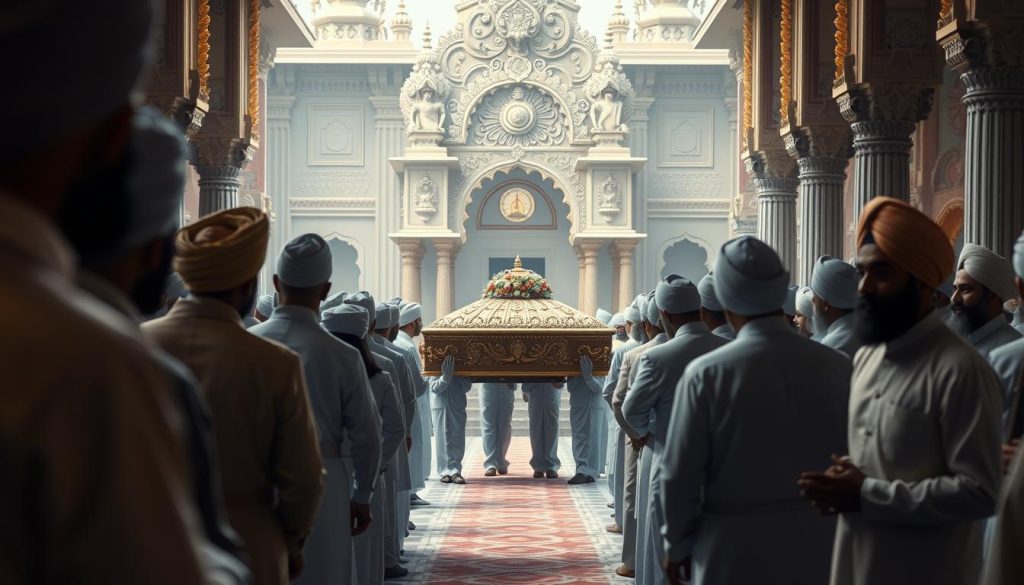
At a Sikh funeral, dress simple and respectful. Both men and women should cover their heads with a scarf or turban. Choose white or soft colours and avoid bright ones. Always take off your shoes in the Gurdwara.

Learning funeral customs is key. Guests quietly join in prayers. This shows deep respect. It also brings comfort to those who are grieving.

do's and don'ts during Hindu and Sikh funeral services

Supporting the Family

Help the family however you can during this tough time. Being there shows you care. Helping out with everyday tasks can really support them.

Knowing how to offer comfort is part of the funeral. Attending the bhog ceremony is also important. It marks the mourning's end and supports the family emotionally.

Dressing and Attending: What to Wear

When you go to a funeral, it is a way to show you care and respect. What you wear is very important. It shows honour to the person who has died and their family. Dressing guidelines for Hindu and Sikh funerals help us show respect properly. We will look into what to wear at these traditional dress codes at funeral ceremonies.

Traditional Dress Codes for Hindu Funerals

At Hindu funerals, people believe in showing purity and respect by keeping it simple. White is the main colour because it stands for mourning. Women should wear something simple like a salwar kameez or saree. These clothes should be modest and not too flashy or colourful. Men wear a plain white kurta and pajama.

Being comfortable is important, as you might have to sit on the floor. You should also cover your head. Women can use a scarf, and men might wear a cap or turban. Following these dress rules shows deep respect for the ceremony.

Appropriate Attire for Sikh Funerals

The Sikh funeral, or Antam Sanskaar, has special customs about what to wear. White is also the mourning colour here, showing respect for the person who has died. Yet, wearing soft, dark colours like black, navy, and grey is okay too.

Avoiding bright colours, especially red, is important because it's seen as disrespectful. Women could wear a simple salwar kameez or a modest blouse with a long skirt. Men should wear a smart, dark suit with a white shirt. Polished black shoes make the outfit look respectful.

By following the dressing guidelines for Hindu and Sikh funerals, we show we care. It helps support the family who has lost someone special.

Keeping Cultural Sensitivity in Mind

Understanding different funeral customs shows respect at funerals. Each culture honours the dead in unique, meaningful ways. In places like Singapore, these practices show the richness of traditions.

For example, Jain funerals often feature songs and prayers and last about an hour. People wear white, showing respect and purity. The eldest son usually leads eco-friendly burials quickly after death. This shows Jains' deep respect for nature.

In Singapore, Muslim Malays have burials soon after death. Hindu funerals have special rituals and cremations. The Chinese hold ceremonies with chanting and incense. All these practices show Singapore's diverse beliefs.

In Northern Ireland, laws like the Race Relations (NI) Order promote cultural sensitivity. They make sure services consider everyone's background. The Children (NI) Order makes sure childcare respects a child's culture.

Doctors are urged to consider patients' faiths in their care plans. This can really help patients feel understood. Laws also say interpreters must be used in healthcare, so everyone gets clear, respectful care.

So, being culturally sensitive at funerals and elsewhere makes our world kinder and more respectful. It helps us value and celebrate what makes each culture special.

Key Differences Between Hindu and Sikh Funeral Etiquette

It's important to know how Hindu and Sikh funerals differ. Each has unique rituals tied to their beliefs. These traditions show their spiritual views and cultural values.

Ritual Practices

Hindu funerals follow a set order. The body is cleaned, dressed in simple clothes, and then taken to be cremated. The eldest son or a close male family member lights the pyre. This act signals the soul's final leave-taking from this world.

Sikh funerals are different. The body is washed with yogurt and soap, and then put in white clothes. A final prayer, the Antim Ardaas, is very important. It shows the community praying for the soul that has passed. Most Sikh families prefer cremation, and many take part in lighting the pyre. This highlights their belief in the soul's eternal journey after death.

Mourning and Support Customs

Hindu and Sikh mourning customs vary. Hindus have a 13-day intense mourning with rituals. The main mourner, usually the eldest son, might shave their head. Mourning can last a year for close family, limiting social activities.

Sikhs have a 10-day mourning called Nihung. They also read the Guru Granth Sahib over several days in the Sahaj Paath Bhog. This shows the power of community support in tough times. After both funerals, communal meals help families and friends bond.

Understanding these funeral customs helps us support and respect grieving families properly. It lets us honor the memory of those who have passed.

Conclusion

Hindu and Sikh funeral customs show deep respect for those who have passed away. These traditions help support families when they are sad. It's important to truly understand and follow these customs.

Sikh funerals happen within three days and include rituals like washing the body. There are also prayer sessions and scattering ashes in water. The 'Barsi' event is held on the first anniversary to remember the loved one.

Hindu funerals have special ceremonies too. They include giving fruit, rice, and incense to the deceased. These rituals help express shared feelings of sadness and respect.

Being respectful at these funerals means understanding the culture. Whether it's a Sikh or Hindu service, wear the right clothes and join in the customs. This shows deep care and unity. Knowing about these traditions helps us support our communities during tough times.

FAQ

What is the cultural significance of Hindu and Sikh funeral traditions?

These rituals are very important in both religions. They show their views on life, death, and what comes after. They help to honor those who have passed away. They also help the family feel better through set customs and ceremonies.

What are the common practices and beliefs shared by Hindu and Sikh communities regarding funerals?

Both groups stress showing respect for those who have died. They also believe in helping the family that is grieving. Rituals often have prayers, scripture readings, and preparing the body in special ways.

How is the body prepared in Sikh funeral rituals?

The body is washed and made ready in a special ceremony. This shows a deep respect for the person who has died. Close family or certain people in the community do this task.

What happens on the day of a Sikh funeral?

The funeral has readings from Sikh holy books. It ends with special rites at a crematorium. People come together to say sorry for the loss. They join in prayers too.

What are the post-funeral practices in Sikhism?

After the funeral, there are prayers and meals with others. This shows the community's support for the grieving family. It helps them during their sad time and respects Sikh beliefs about the soul's journey.

What initial ceremonies are performed in Hindu funerals?

Initial ceremonies begin straight after death. The body is cleaned, dressed, and sometimes oiled. Family or priests often do this.

How do Hindu families decide between cremation and burial?

The choice is usually based on family and local traditions. Cremation is more usual. It is seen as freeing the soul from the body.

What does the mourning period look like in Hindu funeral customs?

The mourning time has many ceremonies. They include Shraddha to give closure and respect the soul's journey. This time can be a few days to several weeks, based on family habits.

How should one behave at a Hindu funeral to show proper respect?

Guests should wear simple, white clothes and join in rituals respectfully. Saying sorry in a humble way and being quiet are important too.

What is considered appropriate conduct at Sikh funerals?

Dress modestly and cover your head, no matter if you are a man or woman. Respect the rituals. Support the family that is grieving.

What should one wear to a Hindu funeral?

Dress in white to show purity and mourning. Choose simple clothes that show respect for the serious time.

What is the appropriate attire for Sikh funerals?

Dress modestly. Cover your head. Men might wear turbans or caps. Women use scarves for their heads.

Why is cultural sensitivity important at Hindu and Sikh funerals?

It’s crucial to respect and understand different practices and beliefs. This shows care for the grieving family. It helps avoid accidentally upsetting anyone.

How do Hindu and Sikh funeral etiquettes differ?

They differ in their rituals and how they mourn. Hindu funerals have many rituals after death. Sikh funerals focus on prayers with others and meals to help the family feel supported.

How to Plan a Traditional Hindu Funeral

Planning a traditional Hindu funeral means understanding and respecting deep rituals. Nearly a billion people follow Hinduism. Its rites are designed to honour the dead and help their soul move on. In the UK, these rituals help keep culture alive. They also comfort the grieving family.

Organising a respectful goodbye needs care and good planning. This guide helps manage each step of a Hindu funeral. It lets families grieve without worrying about the details.

Key Takeaways

Understanding Hindu Beliefs About Death

Hindu beliefs about death

In Hinduism, death marks not an end, but a key turning point on a soul's journey. It is shaped by beliefs in reincarnation and karma. These ideas tell us that how we act now affects our future lives.

The Concept of Reincarnation and Karma

Reincarnation, or Samsara, means our soul enters a new body after death. This cycle stops only when Moksha, or freedom, is reached. Our next life's quality depends on our karma. This is the total of our actions' moral values. Good deeds can make the next life better, while bad ones can do the opposite.

The Role of Funeral Rites in Hinduism

Funeral rites in Hinduism are crucial, helping the soul on its path to Moksha. They include special chants and the giving of pinda (rice balls). These acts help the soul move on. The rites honor the dead and aid the living in their grief. They ensure the departed moves on well, which helps in getting a better next life.

Aspect Explanation
Reincarnation The belief that the soul is reborn in a new body.
Karma The cumulative ethical implications of an individual's actions, influencing future rebirths.
Funeral Rites Rituals performed to support the soul's journey and ensure a dignified passage.

Preparing the Body for a Hindu Funeral

Getting the body ready for a funeral in Hinduism is very important. It shows purification and respect. It's believed that the body carries the soul. It deserves great reverence, even in death. The rites help comfort those who are grieving. They help the departed soul move on smoothly to its next journey.

Preparing the Body for a Hindu Funeral

Washing and Anointing the Body

The first step is washing the body. This is done using milk, honey, and ghee. These are sacred items that cleanse and bless the body. The washing, known as abhyanga, is done by family and priests. They chant special prayers. Each item used in the washing means something special. For example, milk stands for purity and honey for everlasting sweetness.

Clothing and Positioning the Deceased

After cleaning, the body is dressed in white. This colour means purity and peace. The body is then placed with hands together, as if in prayer. This shows devotion and readiness for the next spiritual step. This pose is not just respectful. It also shows the soul giving itself to something greater. The white clothes remind us of the cycle of life and death, and the idea of being reborn.

Placing Garlands and Rice Balls

Lastly, flower garlands and pinda (rice balls) are placed around the body. These are very important. They help the soul on its next journey and show love and respect. The flowers, like marigold and jasmine, clean the air and help guide the soul. They are chosen for their sweet smell and sacredness.

Arranging the Hindu Funeral Service

Planning a Hindu funeral means paying attention to many steps. This makes sure customs are followed. Details like the venue and inviting family are key. Let's dive into what this involves.

Selecting a Suitable Venue

Where the funeral happens is very important. The place needs to be peaceful for rituals. Cremation is often chosen, which honours the creator god Brahma. Good places are crematoriums or places set up for such events.

Hindu funeral service

Choosing a Hindu Priest or Officiant

It's crucial to have a Hindu priest who knows many languages. The priest helps with all the rites. They lead in saying mantras, prayers, and doing ceremonies.

Gathering Family and Friends

Having family and friends there is very supportive. People usually wear white, avoiding black. This brings everyone together in mourning and helps heal.

Aspect Details
Venue Crematoriums, community centres
Attire White or light-coloured
Priest's Role Performing mantras, prayers, ceremonies
Notable Languages Hindi, Punjabi, English
Funeral Flowers Lotus flowers, chrysanthemums
Post-Funeral Rites Scattering ashes in the Thames, Wye, or Soar
Cultural Significance Communal mourning and remembrance

The Hindu Funeral Ceremony

The Hindu funeral is full of tradition and belief in reincarnation. Each ritual is special, showing respect for the person who has died. These rites help guide their soul on its next journey.

The Hindu Funeral Ceremony

The Importance of Prayers and Mantras

Prayers and mantras are very important at a Hindu funeral. They help comfort the departed soul. Family and friends gather to chant these holy words. This creates peace, helping the soul move to the afterlife.

The Role of the Eldest Son

In Hinduism, the eldest son has a big role at funerals. He leads and does important rites, like lighting the fire. This signifies the soul's release and shows the son taking on new duties.

The Open Casket Tradition

An open casket lets loved ones say goodbye. It brings a sense of closure. People place offerings or personal notes in the casket. This honours the person's life and shows deep love and respect.

Ritual Significance Common Practices
Prayers and Mantras Comforting the soul, aiding transition Chanting, holy water from the Ganges
Role of the Eldest Son Leading funeral rites, transfer of duties Lighting pyre, performing key rituals
Open Casket Tradition Final farewell, communal grief Placing personal tributes, symbolic offerings

The Cremation Process

Cremation is very important in Hinduism. It means the soul gets cleaned by fire. This is a key part of Hindu funerals and comes with many old traditions.

Hindu Cremation Process

The Significance of Cremation in Hinduism

Hindus think cremation helps the soul leave the body. This lets the soul be reborn. This idea comes from old texts and helps the soul find peace.

Conducting the Mukhagni Ceremony

The mukhagni ceremony is essential in Hindu farewells. The eldest son usually starts the fire. This fire is meant to help the soul start over.

During this ceremony, people say special words, put ghee on the body, and offer things to the fire god, Agni. The fire can be made of different things, depending on what the family can provide or afford.

Local Cremation Practices

Cremation customs can change based on local rules. Now, electric crematoriums are popular. They're clean and save fuel. But many still follow old ways, preparing the body carefully for the ceremony.

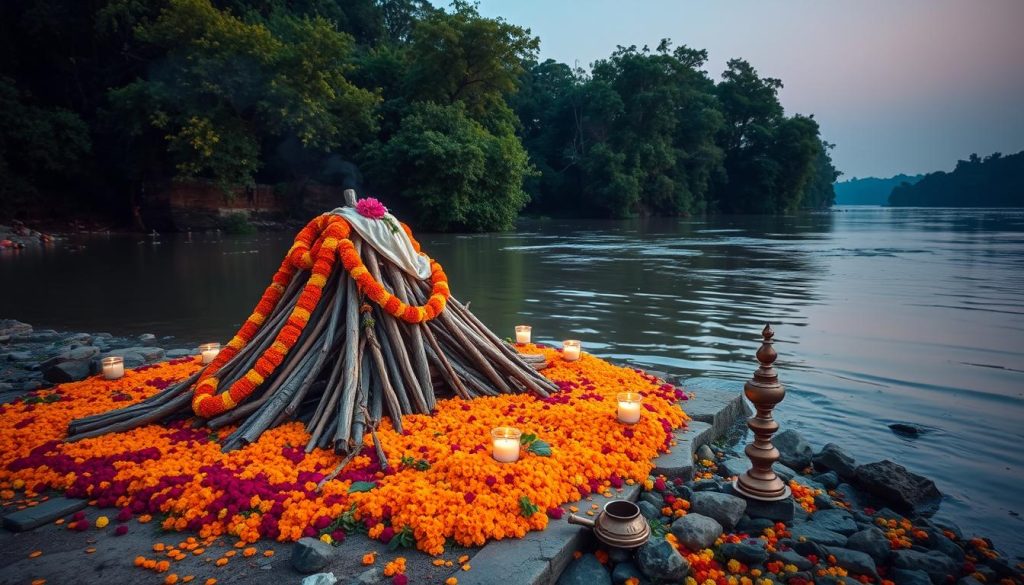
Bodies might be placed differently based on if they're male or female. They are taken near water, showing life's flow. Burning takes 3 to 4 hours. The ashes are often put in a holy river, showing life and death are a cycle.

Post-Cremation Practices

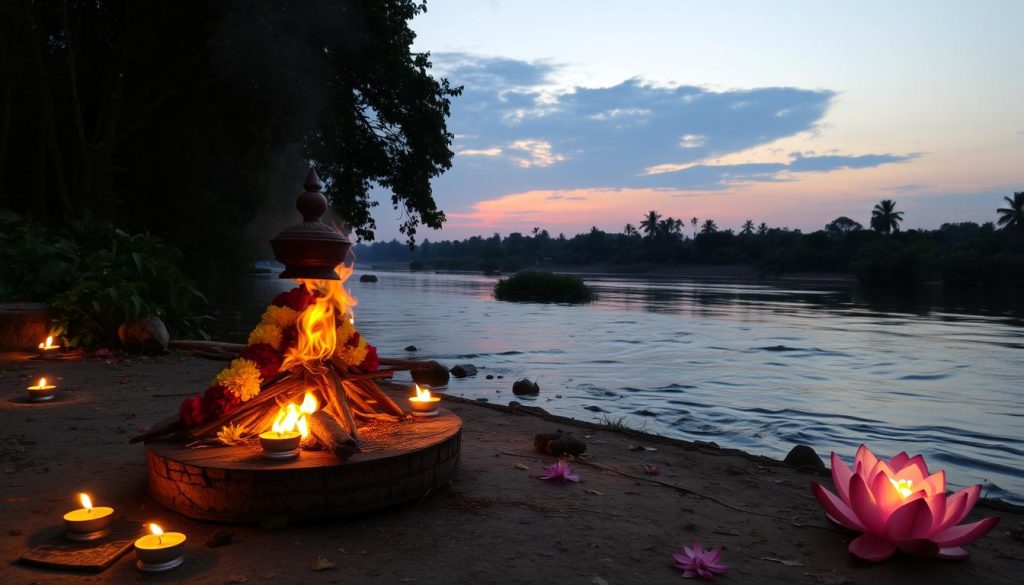
After cremation, some key practices help the soul find peace. Ashes are scattered in sacred waters. This symbolises the soul's freedom. It's a significant ritual to keep a link with those who have left us.

Hindus perform ceremonies quickly after death. They usually cremate within 24 to 48 hours. This shows a need to respectfully manage the physical remains. But, people outside India sometimes have to adjust. They must follow local rules for cremation and spreading ashes.

There is a special ceremony 13 days after someone dies. It helps the soul move on. A year later, a memorial service happens. It includes chanting, prayers, and reading scriptures. This keeps the family connected and honours the soul's forever journey.

The cost of cremation changes a lot. It depends on what the family wants. A simple cremation might be cheap. But a full service can cost a lot more. Yet, the spiritual meaning is always the same. It goes beyond money.

Hindu funeral customs come from a major world religion. They show respect and honour for the departed. Following these customs celebrates life and guides the departed with dignity.

Traditional Mourning Period and Rituals

The traditional mourning period in Hinduism is deep. It brings families together. It helps with spiritual cleansing and honours the departed soul's journey.

This time is filled with rituals and ceremonies. They show respect and remembrance by the community.

The 10-Day Mourning Period

The 10-day mourning period is central to Hindu funeral rites. It's a time for solemn reflection and spiritual cleansing. Family members perform rites to purify themselves and help the departed soul.

They offer rice balls (pindas) to ancestors and say daily prayers. The community shares their grief. The household stays quiet, which helps everyone reflect.

The Preta-Karma Ceremony

The Preta-Karma ceremony happens on the 13th day. It's key for the soul's journey to the next world. The ceremony includes special offerings. It supports the soul's journey.

This time brings family and friends closer. They share rituals and strengthen their bonds.

Here are key aspects of the 10-day mourning period:

And critical elements of the Preta-Karma ceremony:

Tradition Description
10-Day Mourning Period A period of solemn reflection and spiritual cleansing.
Preta-Karma Ceremony A pivotal ritual aiding the soul's journey to its heavenly abode.
Community Involvement Family and friends unite to honour the deceased collectively.

This shows Hinduism's deep respect for life's cycle and the journey beyond. Mourning is personal and together. It's a time for self-thought, community, and rising spiritually.

Hindu Funeral Etiquette

It's very important to know how to act at Hindu funerals. This shows respect and honors one of the oldest religions in the world. It has nearly a billion followers. In the United Kingdom, there are more than 600,000 Hindus. They are the third-largest faith group. Learning about funeral etiquette is essential.

Proper Attire for Mourners

At Hindu funerals, people wear white instead of black. White stands for purity and the start of the deceased's new journey. Many families in Britain choose cremation, like in Hindu traditions. Wearing white shows the belief in returning to purity.

Offering Condolences

When offering condolences, it's important to be empathetic but also give the family space. Relatives and friends visit the family's home for 10 to 30 days. Sending flowers is okay, even though it's not a traditional Hindu practice. This shows the family you care and supports them during this tough time.

Participation Expectations

Being part of a Hindu funeral means joining in prayers and mantras. These are key to the ceremony, which is usually under 30 minutes. The family prays by the body but doesn't touch it. Touching is seen as impure. There are special rituals, often led by the family priest.

A lamp is lit near the deceased's head. People offer prayers and sing hymns. Knowing and doing these things shows deep respect. It also honors the family's beliefs and the depth of Hindu funeral traditions.

Conclusion

Hindu funerals are more than saying goodbye. They connect life, death, and rebirth. We've learned that these funerals have three key parts. These are preparing the body, doing the rituals, and cremation. Each step helps the soul go from our world to a peaceful, spiritual place.

The customs, like burning the body and saying special prayers, help families feel better. They give peace to the one who has died too. The main family members lead these customs. This shows their love and brings everyone closer. Families remember the person who died in ceremonies for up to thirty days. This helps the soul on its journey.

By following these traditions, we show respect and get closer to others and the universe. Doing these rituals helps people who are sad and remembers the wisdom of the past. By being part of these sacred actions, we keep our connection strong. We see life as a cycle. Hindu funerals remind us we're all connected, giving comfort and understanding of our universe.

FAQ

How do we understand Hindu beliefs about death?

Hindus see death as a key part of a spiritual journey. It's tied to karma. Funeral rites help the deceased get a good start for their next life.

What is the concept of reincarnation and karma in Hinduism?

Reincarnation means the soul gets a new body after death. Karma is about our actions and their effects, which shape our future and next life.

What role do funeral rites play in Hinduism?

Funeral rites are important for the soul’s journey to a better place. They involve chants and offerings. This shows respect and support from the community.

How is the body prepared for a Hindu funeral?

The body is washed with holy items like milk and honey to cleanse it. Then, it's dressed up and surrounded by offerings.

Why is selecting a suitable venue important for a Hindu funeral?

A peaceful place is needed for undisturbed rituals. The right venue helps honor traditions and supports the grieving family and friends.

What is the significance of having a Hindu priest or officiant?

A knowledgeable priest leads the family through the rites. They make sure all religious steps are followed, honouring the deceased's journey.

What is the importance of prayers and mantras during the Hindu funeral ceremony?

Prayers and mantras help the deceased's soul and comfort the family. They are key for ritual and emotional support.

What role does the eldest son play in a Hindu funeral?

The eldest son leads the ceremony and rites. This shows the passing of duties within the family, a deep tradition.

What is the tradition of an open casket during a Hindu funeral?

An open casket lets everyone say goodbye. It helps with closure and sharing the loss and respect together.

Why is cremation significant in Hinduism?

Cremation frees and cleanses the soul. The mukhagni ritual with the funeral pyre is vital for rebirth.

What are the local practices for cremation in the UK?

Following local laws is key, respecting both faith and public duties. It makes sure the cremation is done respectfully.

What are the post-cremation practices in Hindu funerals?

Ashes are scattered in sacred water. This and more rites help the soul move on smoothly to its next life.

What is the significance of the 10-day mourning period in Hinduism?

This time is for reflection and purifying. Family does rites to clean their spirit and support the departed soul.

What is the preta-karma ceremony?

On the 13th day, this ceremony helps the soul go to heaven. It also strengthens family and community ties.

What is appropriate attire for mourners at a Hindu funeral?

Wear white, not black. White means purity and mourning in Hindu culture.

How should condolences be offered at a Hindu funeral?

Give your sympathies kindly and respectfully. Any small act of support means a lot during this hard time.

What are the participation expectations at a Hindu funeral?

Knowing what to do, like seeing the body and praying, shows respect. It also honors Hindu funeral ways.