
Tamil Hindu Funeral Traditions in Birmingham: A Guide for Tamil Families
February 18, 2026
Birmingham is home to a growing and vibrant Tamil Hindu community, with families from Tamil Nadu, Sri Lanka, and the broader Tamil diaspora settled across the city and the wider West Midlands. Tamil Hindu funeral traditions carry the same sacred framework as other Hindu communities — the Antyeshti (last rites) — but incorporate distinct regional customs, prayers, and ceremonial practices that make finding the right Hindu funeral directors in Birmingham especially important.
At Indian Funeral Company, we work with Tamil families across Birmingham to arrange funerals that truly honour Tamil Hindu traditions. This guide covers the key customs, rites, and practices of a Tamil Hindu funeral.

Key Features of Tamil Hindu Funeral Traditions
Language of Prayer
Tamil Hindu funeral prayers and mantras are often conducted in Tamil, Sanskrit, or both. We work with experienced Pandits familiar with Tamil Shaivite and Vaishnavite traditions who can conduct the ceremony in Tamil, ensuring every prayer resonates with the family.
Preparation of the Deceased
As in all Hindu traditions, the body is bathed and prepared with care. In Tamil tradition, specific flowers — particularly white flowers such as jasmine (malligai) — are used to adorn the deceased. The body may be dressed in white or, for married women in some traditions, in auspicious colours. Vibhuti (sacred ash) may be applied, and a garland of flowers placed around the neck.
The Funeral Ceremony
A Tamil Pandit (Shastrigal) conducts the ceremony, reciting Vedic mantras alongside Tamil Thevarams (devotional hymns) depending on the family's Shaivite or Vaishnavite tradition. The eldest son or closest male relative performs the key ritual roles, though as with all Hindu traditions, families may adapt this based on their circumstances.
Cremation
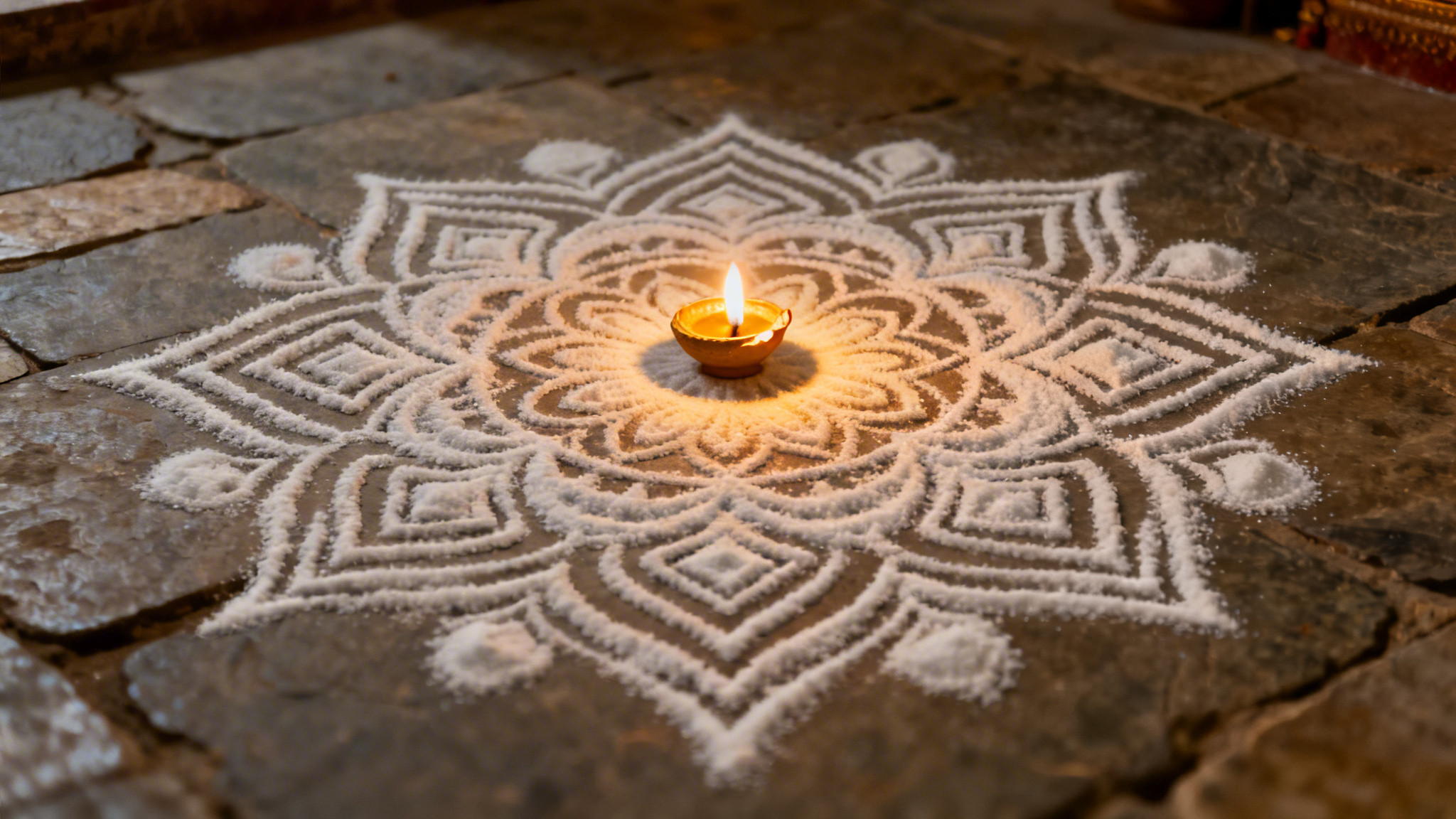
Cremation is the prescribed rite in Tamil Hindu tradition. We coordinate with crematoria across Birmingham that understand and accommodate the specific requirements of Tamil Hindu ceremonies. The symbolic lighting of the pyre during the committal is performed respectfully at Birmingham crematoria.
Post-Cremation: Ashes and Immersion
Following cremation, the ashes are traditionally immersed in a sacred river. For Tamil families in Birmingham, this may mean a local river immersion or — for those wishing to fulfil the rite in the traditional way — repatriation of ashes to Tamil Nadu or Sri Lanka. We can arrange either.
The Mourning Period
The mourning period for Tamil Hindu families typically lasts 16 days in traditional practice, though many Tamil families in the UK follow the more common 13-day period. Daily prayers and scripture readings are held at the family home, and the concluding ceremony brings the community together in prayer and remembrance.
Tamil Funeral Traditions Specific to Shaivite and Vaishnavite Families
- Shaivite families — Vibhuti (sacred ash) and Rudraksha beads play an important role; Thevarams and Tiruvachakam may be recited
- Vaishnavite families — Tulsi garlands are central; Divya Prabandham hymns may be sung; Thiruman (white clay mark) may be applied
Our Pandits understand both traditions and will ensure your specific customs are observed correctly.
How Indian Funeral Company Supports Tamil Families in Birmingham
- 24-hour first response — immediate collection wherever you are in Birmingham
- Tamil-familiar Pandits who understand Shaivite and Vaishnavite traditions
- Respectful preparation in accordance with Tamil Hindu custom
- Crematorium coordination across Birmingham and the West Midlands
- Death registration and all documentation support
- Repatriation of ashes to Tamil Nadu, Sri Lanka, or elsewhere
For an overview of costs, see our Asian funeral cost guide.
Frequently Asked Questions
Do you have Tamil-speaking funeral directors in Birmingham?
Our team communicates in English, Hindi, and Punjabi. For Tamil-language Pandit services, we work with experienced Shastrigals who conduct ceremonies in Tamil and Sanskrit. Please let us know your requirements and we will match you with the right priest.
Can you arrange a Tamil Hindu funeral quickly in Birmingham?
Yes. We begin arrangements immediately and aim to complete everything as quickly as UK legal requirements allow.
Can you repatriate ashes to Tamil Nadu or Sri Lanka?
Yes. Our full repatriation service covers Tamil Nadu, Sri Lanka, and all other destinations. We manage all documentation and logistics.
What is the difference between a Tamil Hindu funeral and a North Indian Hindu funeral?
While both follow the Antyeshti framework, Tamil funerals incorporate Dravidian customs, Tamil-language prayers, and Shaivite or Vaishnavite traditions that differ from North Indian Hindu practice. Our experienced team understands these distinctions.
Contact Our Hindu Funeral Directors in Birmingham
For specialist Tamil Hindu funeral services in Birmingham, Indian Funeral Company is available 24 hours a day. Call us on 0121 551 2134 at any time.
Providing generations of care, with tradition trust and guidance
Locations We Cover
Aldridge | Bilston |Birmingham | Blackheath | Bloxwich | Brierley Hill | Brownhills | Coseley | Coventry | Darlaston | Dudley | Halesowen | Kingswinford | Oldbury | Rowley Regis | Royal Sutton Coldfield | Sedgley | Smethwick | Solihull | Stourbridge | Sutton Coldfield | Tipton | Walsall | Wednesbury | West Bromwich | Willenhall | Wolverhampton

17 Liskeard Road
Park hall
West Midlands
WS5 3EY
01922 438503