
What to Do Immediately After a Loved One Passes Away: A Step-by-Step Guide for Birmingham Families
December 5, 2025
We know the first moments after a loss feel heavy and confused. You are not alone here. We wrote this guide with care to give clear, calm advice and simple steps you can follow.
Our aim is to place kindness first while giving practical information about the medical process, registration and local support.
We explain who to call, how verification and medical certificates are handled, and how the council can help with funerals or protecting property. This piece also covers bereavement services and where you can find help for your family during this experience of loss and death.
Read at your own pace. We will guide you step by step, so you feel supported and have trusted contacts when you need them.
Key Takeaways
- Start with kindness and clear steps for the medical verification and paperwork.
- Use the council pre-registration and book your Register Office appointment once notified.
- Tell Us Once saves time by notifying multiple departments on your behalf.
- Birmingham City Council can arrange funerals or protect property if needed.
- Trusted helplines like Cruze and SANDS offer emotional support and practical guidance.
Immediate steps to take when a loved one dies
In the first few hours after a loss, simple steps can help you feel steadier and clearer.
If the death occurs at home
If your loved one passes at home, call 999 for a paramedic or contact your GP practice for a clinician who can verify the death.
They will give a verification letter for the GP surgery. Keep that letter safe — it is needed in the next stage of the registration process.

If the death occurs at a hospital, hospice or care home
Staff at hospitals, hospices or care homes will verify the death and arrange the verification letter for you.
You will not need to carry medical paperwork yourself. The clinician sends the medical cause of death certificate on to the register office later.
- Note the time and any immediate things like medication, keys or pets.
- Lean on friends for quick practical help and jot down numbers of organisations that may need contacting.
- Ask staff to explain next steps slowly if you feel unsure — it’s okay to have things repeated.
- You don’t have to make big decisions straight away; take one small step at a time and reach out if you need help.
Certification of death and the medical certificate
This section shows how clinicians share the medical cause of death certificate with the register office, removing the need for a family pickup.
Verification and the medical certificate are different steps. A clinician will give a verification letter at the place of care. That letter confirms the death.
The medical cause of death certificate is now emailed by the hospital or your GP directly to the register office. You no longer collect that paper. This change saves you a trip and speeds up the process to register death.
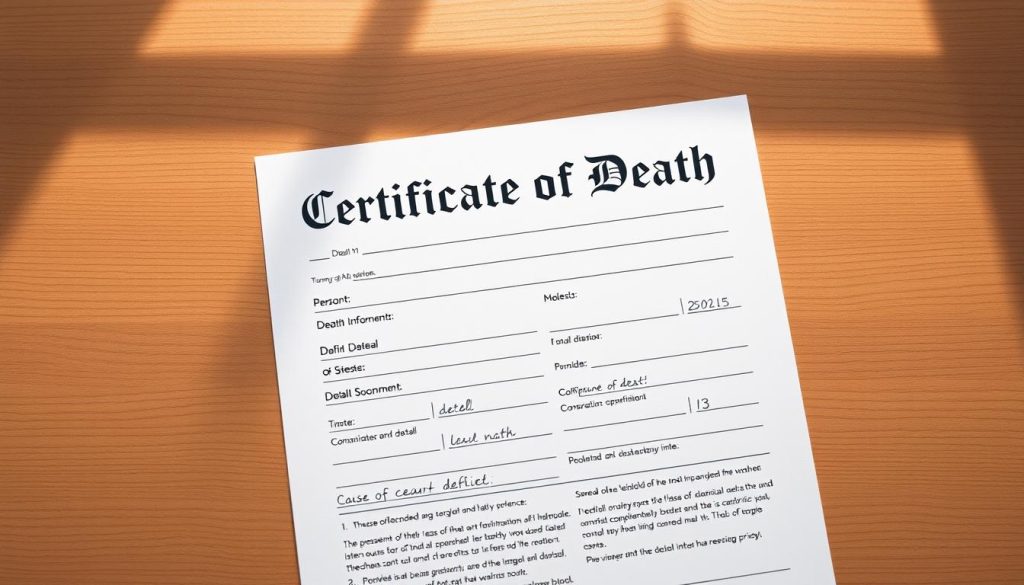
Keep your phone and email handy. The Register Office will contact you once they have all the information. If you have any special wishes or concerns about spellings and names, note them now so they are correct on the certificate.
- Check guidance on the council website for ID and address documents.
- Ask about interpreter services if English is not your first language.
- Write down questions and the Register Office team will help when they contact you.
For clear advice and local support, visit the Birmingham City Council website. Small steps and clear information make this part much easier for you and your family.
Registering a death in Birmingham
Begin the registration process as soon as you can; it brings clarity and opens access to other services.
Completing the Birmingham Council pre-registration form
Start by filling in the Birmingham Council pre-registration form on the council website. It only takes a few minutes when you have basic details handy.
Tip: Keep full names, dates of birth and the address ready so the certificate is correct first time.
Booking your appointment with the Register Office
After the clinician emails the medical cause of death certificate to the Register Office, you will get a text or email inviting you to book an appointment.
Choose a time that suits you and keep any reference numbers in a small folder for easy access.
Legal timeframe: registering within five days
In England and Wales, you should register a death within five days. Try to book within this legal window so paperwork stays on track.
Using Tell Us Once and getting help
Ask about the Tell Us Once service when you register. This single service can notify HMRC, DWP and the local council on your behalf.
If you need plain guidance, the Bereavement Advice Centre offers clear bereavement advice and practical support.
- Use the council website for up-to-date info on fees and what to bring.
- Keep documents and appointment details together for peace of mind.
Funeral arrangements and available services in Birmingham
Arranging a funeral can feel overwhelming, but gentle planning helps you focus on what matters most.
Start when you feel ready. Discuss any known wishes with family and close friends. Small choices — music, readings or venue — bring comfort.

Choosing a funeral director
Pick a director who listens and explains costs clearly. Ask about timescales, what is included and options for online notices.
Council funerals under Section 46
If no one can arrange a funeral, Birmingham City Council can provide a simple, dignified service under Section 46. They will respect cultural and religious needs and will let friends and family know time and place.
Contact: 0121 675 7129 or funerals.and.protection.of.property@birmingham.gov.uk.
Respecting faith, culture and personal touches
Many directors offer an online obituary where people can leave messages and donate to a chosen charity. Involve local groups for readings or lifts — community support eases the load after loss.
- Check any known wishes and note small details.
- Ask about payment plans if costs worry you.
- Take your time; there’s no rush to finalise every detail.
what to do when someone dies birmingham: notifying organisations and managing accounts
Start by using Tell Us Once; it saves time and reduces repeat calls to HMRC, DWP and the council.
Tell Us Once is the easiest first step after registration. It notifies core departments in a single online or phone session. This cuts repeated calls and keeps information consistent.
Next, contact banks, pension teams and insurers. Ask each organisation for a short checklist of documents they need. Freezing or reviewing accounts early protects funds and cancels unneeded direct debits.

| Contact | Action | What to ask |
|---|---|---|
| Bank | Freeze account | Request account checklist and reference number |
| Pension provider | Report death | Ask about lump sum or ongoing benefit and claim steps |
| Insurance | Submit policy details | Check documents needed and expected timescale |
| Local council | Use Tell Us Once follow-up | Confirm council services and any members records affected |
Use The Bereavement Register online to stop unwanted mail. It removes name and address from many lists. This small step reduces daily reminders and gives space to grieve.
If you feel unsure, the Bereavement Advice Centre offers friendly bereavement advice and practical support. Their website has clear guides for each step. Keep a simple log of calls, dates and reference numbers so people helping you can share the work.
Deceased estate, probate and inheritance tax essentials
A calm checklist will guide you through probate and tax matters step by step.
Who manages the estate?
Executor versus administrator
If there is a will, the named executor handles the estate. They can start contacting banks, pensions and other organisations straight away.
If there is no will, an administrator will be appointed under intestacy rules. This role is for people entitled by law to manage a deceased estate.
Inheritance Tax and probate basics
Gather a simple list of assets, debts and important documents first. This helps you see if the estate needs probate.
Probate usually means applying to the Probate Registry with the will, the death certificate and forms. Many banks ask for a grant before they release funds.
Inheritance Tax may apply if the estate goes over the current threshold. Ask for clear advice early so you can plan with confidence and respect any final wishes.
- Check for a will—an executor can act quickly and clearly.
- Make a list of assets, debts and key papers for the deceased estate.
- Work out if probate is needed and get help from a solicitor if things feel complex.
Bereavement support, mental health and safeguarding property
Grief is a heavy journey, but simple steps and friendly support can ease the load.
We recommend trusted helplines if you need someone to listen right now.
Local and national help: Cruze and SANDS
Cruze Bereavement Support offers gentle, practical listening on 0808 808 1677. Call if you need immediate bereavement support or a calm voice.
SANDS specialises in loss of a child. Their helpline, 0808 164 3332, gives kind guidance and peer support for parents and families.
Protection of property via Birmingham City Council (Section 48)
If a home is empty and at risk, birmingham council can secure property under Section 48 of the National Assistance Act 1948.
Contact Funerals and Protection of Property on 0121 675 7129 or funerals.and.protection.of.property@birmingham.gov.uk for help with locks, safekeeping and basic checks.
- Speak to your GP if your mental health feels heavy; a short chat can help.
- Join local groups for company; sharing tasks eases pressure.
- Keep keys safe and note meter readings; small actions protect the estate.
- Make a simple self-care plan: food, rest and fresh air every day.
| Service | Help offered | Contact |
|---|---|---|
| Cruze Bereavement Support | Listening, practical guidance | 0808 808 1677 |
| SANDS | Support after loss of a child | 0808 164 3332 |
| Birmingham City Council | Temporary property protection (Section 48) | 0121 675 7129 funerals.and.protection.of.property@birmingham.gov.uk |
Final note: You are not alone. For clear bereavement advice and steady support, reach out when you feel ready. We are here with you.
Conclusion
Here is a calm summary of practical steps and support available as you move forward.
Take one small step at a time. If a loved one has passed, remember you can register the death within five days using the Birmingham Council pre-registration and then book a Register Office appointment.
Tell Us Once helps with HMRC, DWP and council notifications. The Bereavement Register can stop unwanted mail. For funeral arrangements, the council offers Section 46 services and can protect property under Section 48.
For immediate support, call Cruze on 0808 808 1677 or SANDS on 0808 164 3332. Keep this page handy for contact numbers and clear information. We are with you through the grief and every next step.
FAQ
What are the first steps after a loved one passes away at home?
Who do I contact if a death occurs in hospital, hospice or a care home?
How is the medical cause of death certificate sent to the registry office?
How do I pre-register a death with Birmingham City Council?
How do I book an appointment at the Birmingham Register Office?
What is the legal timeframe for registering a death?
What is the Tell Us Once service and how does it help?
How do I choose a funeral director and respect the deceased’s wishes?
What is a Section 46 funeral by Birmingham City Council?
How can I make sure religious and cultural wishes are respected?
Which organisations should I notify about the death for accounts and services?
How do I deal with bank accounts, pensions and insurance after a death?
What should I tell HMRC, DWP and council services?
How can I reduce unwanted mail after a death?
Who manages the deceased’s estate — executor or administrator?
When is probate required and how does Inheritance Tax affect the estate?
What local bereavement support is available in Birmingham?
How can I protect property after a death?
Where can I find more information and local services?
Providing generations of care, with tradition trust and guidance




Locations We Cover
Aldridge | Bilston |Birmingham | Blackheath | Bloxwich | Brierley Hill | Brownhills | Coseley | Coventry | Darlaston | Dudley | Halesowen | Kingswinford | Oldbury | Rowley Regis | Royal Sutton Coldfield | Sedgley | Smethwick | Solihull | Stourbridge | Sutton Coldfield | Tipton | Walsall | Wednesbury | West Bromwich | Willenhall | Wolverhampton

17 Liskeard Road Park hall
West Midlands WS5 3EY
01922 438503